2026, A Taste of the Unexpected

ARTICLE -

A summer of extreme heat, vines that outpaced every forecast, and wines of unexpected grace. Dominique Arangoïts, Technical Director of Cos d’Estournel, and Jérémy Cukierman, Managing Director, reflect on the decisions that shaped a vintage that confounded expectations and ultimately yielded wines of remarkable radiance.

“Tasting these wines blind, you could never guess what the weather had been like,” observes Jérémy Cukierman. With 63 days above 30°C, compared with 44 in 2022, the heat of 2026 broke historical records. From 22 to 24 June, temperatures exceeded 40°C. Yet the first wines tasted are anything but opulent. “The word that comes to mind is ‘luminous’. There are floral notes, sometimes a hint of tart red fruit, a lovely suppleness and that texture on the palate that is so distinctive of Cos.” Dominique Arangoïts agrees.

“The wines are wonderfully light on their feet, with such a slender profile. It’s quite astonishing!”

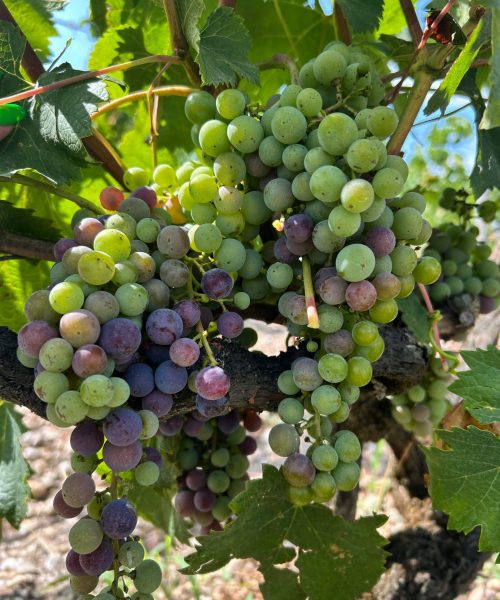
véraison

A year in fast-forward.

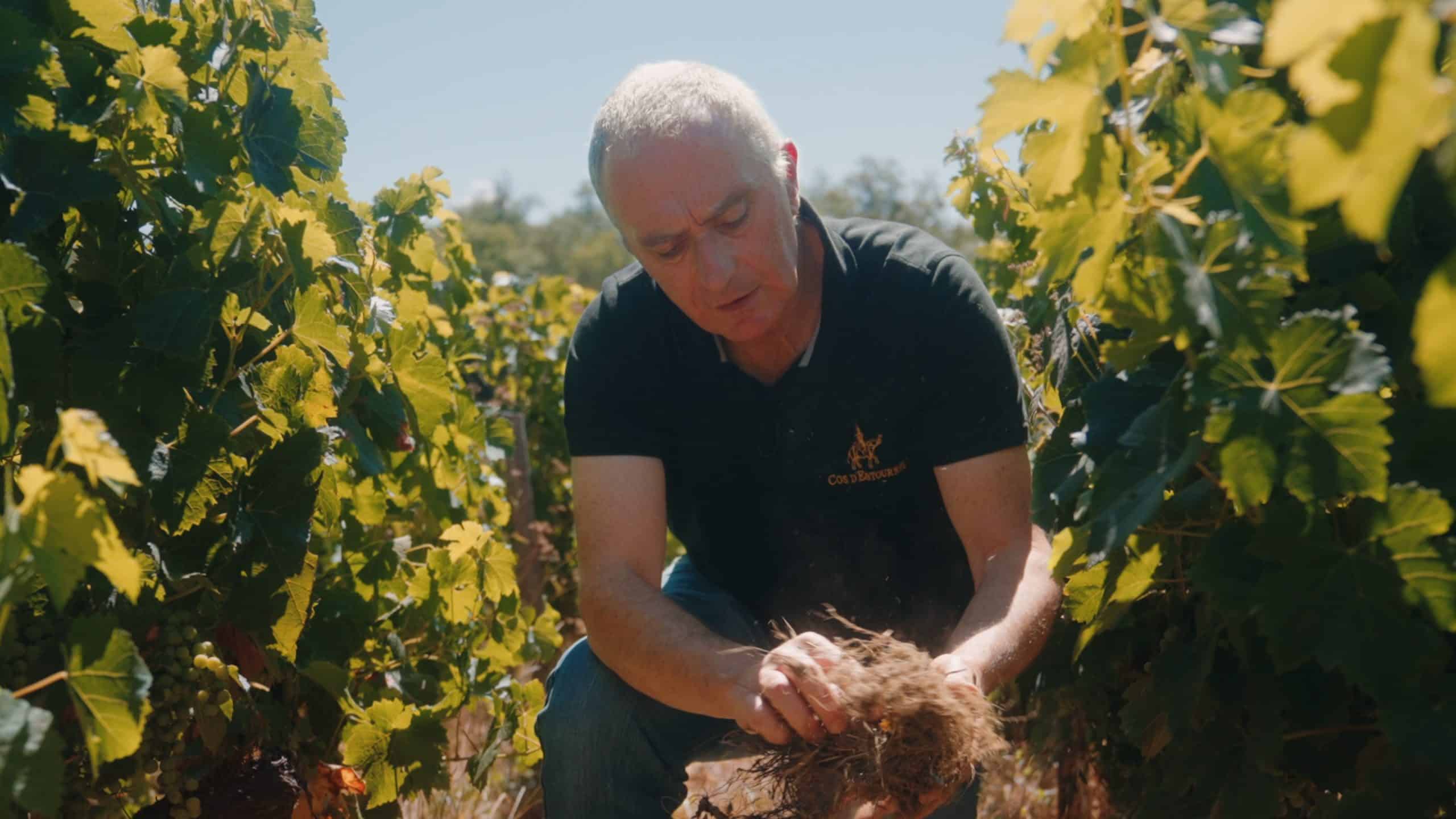
It all began well before the heatwaves. After a brief spell of frost and snow, winter rains replenished the soils’ water reserves. Milder weather followed. “From mid-January to mid-March, temperatures were 2.3°C above the average recorded since 2000. Budbreak came around 15 March. From then on, the vines just kept pulling further ahead,” explains Dominique. April saw nine days above 25°C. Flowering began on 4 May, nine days earlier than in 2025, and véraison on 29 June, eight days earlier.

The heliothermal index put the season as much as two weeks ahead of 2022. That lead narrowed to one week as drought slowed the vines’ progress. “Climate change is rewriting the rules,” notes Jérémy. “We used to associate great vintages with slow ripening. We can no longer take that for granted.”

Timely rain and a surprise on gravel.

Water changed the course of the vintage. The estate received some 660 mm of rain between October and February, followed by a further 98 mm between 29 April and 15 May. The first spell of intense heat came as early as 22 May, making the rain on 15 July (28 mm) and the regular rainfall throughout August (58 mm in total, including 23 mm on the 3rd and 15 mm on the 28th) decisive.

“In Saint-Estèphe, water came to the rescue. It was the rain itself that saved the vintage!” says Jérémy. “It got the vines going again, plumped up the berries and softened the skins.” Dominique agrees. “At the time, you don’t realise quite how much it matters. Later, you look back and think, thank goodness!”

The soils played their part, too. On clay, the grapes reached full ripeness, sometimes with higher sugar levels. The surprise came on gravel. Dominique offers a possible explanation. “The vines on gravel tend to develop earlier. Perhaps that allowed them to get through the more sensitive stages before the water shortage took too great a toll.”

By slowing photosynthesis, the heat kept sugar and tannin production in check. “Even the Merlot on gravel surprised us.” The result is a set of wines with moderate alcohol levels and an elegant, slender profile.

Doing less, judging the moment.

As temperatures rose, the team chose to keep the bunches shaded. “We didn’t remove leaves from a single vine. That was a first,” Dominique emphasises. The decision was made as early as June, in anticipation of the grapes ripening in August. The team kept canopy trimming to a minimum and cultivated the soil lightly to limit evaporation. “We needed to do less and let the vines protect themselves,” Jérémy explains.

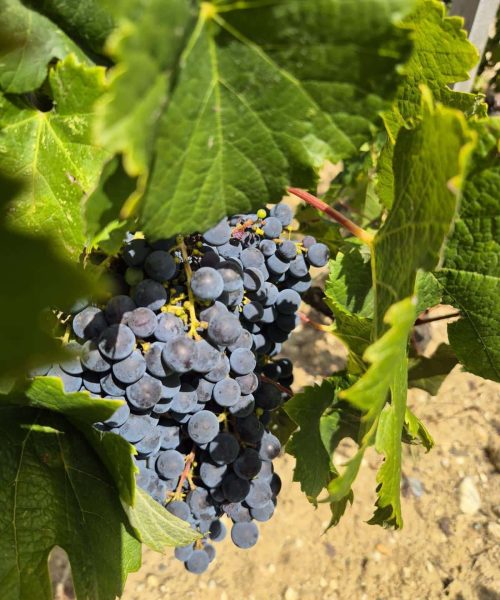
Choosing when to pick was an even greater gamble. Véraison had stretched over three weeks, leaving the berries at varying stages of ripeness. “I made the call to pick some berries a little less ripe so that the others wouldn’t become overripe,” says Dominique.

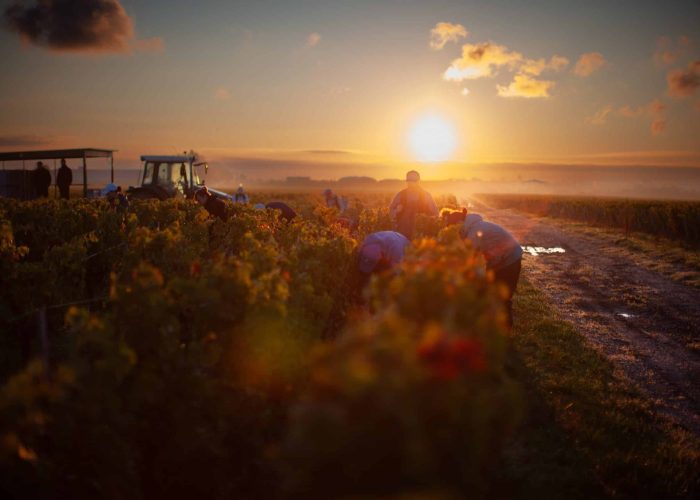
The picking team needed eight days’ notice. Harvesting of the red grapes began on 27 August. “Better a day early than a day late,” observes Jérémy. “We still wanted fully ripe fruit. These days, the window between ripe and overripe is narrow.”

b3572473-0346-47c6-814f-9868927e7e3f
Cos d'Estournel - Vendanges (15)

Preserving the vibrancy of the fruit.

In the cellar, sorting equipment acquired after 2022 removed damaged berries. Extraction was gentle and carried out at low temperatures, with vatting limited to 20 or 21 days. “We already had substance and this natural elegance. We wanted to preserve the wines’ radiance and avoid introducing any hardness,” explains Jérémy. “There’s real finesse, and there’s substance, too. We felt no need to extract any more,” adds Dominique. At this stage, alcohol levels are expected to be around 13.5%, a figure to be confirmed after blending. Freshness, floral notes, spice and silky tannins come together in a wine Jérémy describes as “sensual, graceful, anything but austere”. After all the uncertainty, he smiles.

“I was bracing myself for a baptism of fire. In the end, I was greeted by flowers.”


are you of legal drinking age in your country of residence ?

You must be of legal drinking age in the country from where you are accessing this site

Alcohol abuse is bad for your health, please consume in moderation