Ivy League: Wine as a Common Thread

ARTICLE -

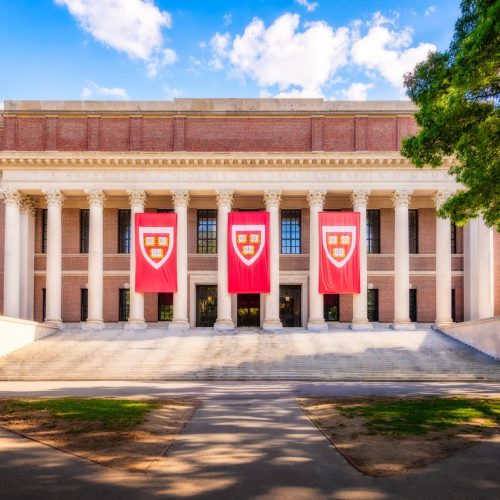
Harvard, Yale, Wharton: behind the doors of three of the most prestigious universities in the United States, Wine Clubs are attracting hundreds of students. Here, they learn not only how to taste wine, but also how to host, converse and build connections. A glimpse into a world where wine plays its own part in shaping the students who may go on to occupy influential positions in the years ahead.

At Harvard, more than 400 students and partners are members of the club. At Wharton, the figure is around 550. At Yale, nearly 400 people belong to the Wine Society. Three exceptional campuses, one common observation: at a time when young Americans are known to be drinking less, wine continues to bring people together here.

Wine: A Skill Like Any Other?

At Harvard Business School, the answer is almost self-evident. “Wine is something that is very useful to know about socially,” explains Hailey. In a world of intimate dinners, professional encounters and, in the future, meals with clients, knowing how to choose a bottle, order for a table or simply understand what you are drinking contributes to a certain ease and confidence that students are keen to acquire.

At Wharton, the club has even created its own wine school, where students learn how to taste, pair wine with food and choose a bottle at a wine shop. For its president, Victoria Brown, this knowledge goes beyond the simple pleasure of wine: “A lot of students at Wharton want to work in finance, and there’s a whole social world associated with that. There are also plenty of occasions when you bring a bottle or attend a dinner where someone has to choose the wine. People like having that knowledge in their back pocket.”

At Yale, Mike Wegner prefers to approach the subject with a touch of humour: “I suspect a lot of people join the club thinking, ‘If I want to move up socially, I should learn a couple of things about wine.’ I think they stay because they realise, ‘It tastes good and I’m having a great time.’” Prestige draws them in. Pleasure keeps them coming back.

Harvard-University-Library (1)
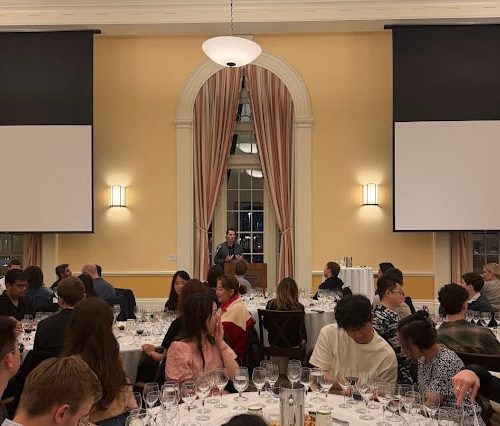
WCS-event-photo-1

Networking, Without Really Trying

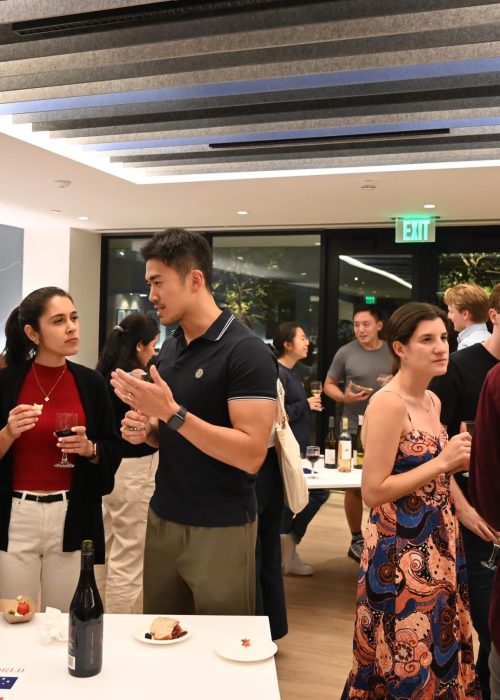
Wine also plays a less expected role: it lends itself naturally to another form of networking. At Harvard, a tasting brings around ten people together at the same table for nearly two hours. “You really have time to talk to people and get to know them better,” Hailey points out, far removed from cocktail events where guests move quickly from one conversation to the next.

That is precisely what many of these students are looking for: an opportunity to step outside the circles already shaped by their courses or professional projects. Victoria Brown values the fact that the Wine Club is not tied to any particular career path: future consultants, financiers, entrepreneurs and professionals from technology, healthcare or retail come together around the same table.

At Yale, Mike is already seeing the impact: “Without the club, I never would have formed lasting friendships with students from the medical school.” Some of these relationships continue long after graduation. Networks are built, almost without anyone realising it.

Great Names, New Horizons

What fills the glasses also says a great deal about what these students are looking for. The most prestigious estates still exert an immediate appeal, as do the world’s benchmark wine regions. But reputation is not everything. Victoria also highlights the success of lesser-known estates when their wines are rare, distinctive and when the encounter with the producers is particularly meaningful: “Some estates aren’t necessarily prestigious, but the wine is excellent or hard to find. And our students are curious: an authentic encounter with a producer can create an incredible experience.”

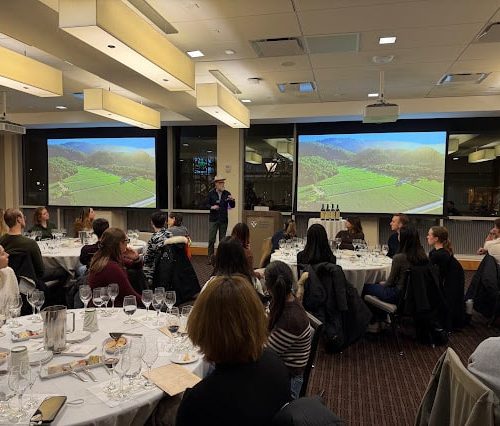
The great American wineries remain safe bets, while Australia, Chile and Argentina appeal through their spirit of discovery. Bordeaux, meanwhile, retains a special status. A Bordeaux versus Napa blind tasting proved hugely popular at Yale. At Harvard, hosting a historic producer from the region is almost enough to guarantee a full house.

WCS-event-photo-4

Victoria Brown sums up the enduring power of the Bordeaux name: “People don’t necessarily know the details. They might not be able to explain the different banks or appellations, but they know that Bordeaux is associated with quality.”

WCS-event-photo-7

Drinking Less, Wanting to Know More

Perhaps this is the real paradox. These students belong to a generation that drinks less, but that does not necessarily mean turning away from wine. Hailey observes a desire to drink less, but better. Victoria sees, above all, growing interest in gastronomy, restaurants and shared experiences. She also notes a search for image, identity and alignment with personal values, pointing to growing interest in natural wines, which younger consumers often associate with more sustainable production and with a certain way of defining themselves: “At almost every event, without exception, someone asks a question about natural wine.”

At Yale, Mike Wegner prefers to speak in terms of craftsmanship. For him, the future of wine with this generation lies less in the promise of consumption than in everything surrounding it: the place, the landscape, the history and the experience. “Tell me that the vineyard is historic and beautiful. Show me the cellars and the landscapes I’ll want to discover. Show me that the vineyard offers an opportunity to connect with the world, with history and with other cultures.”

Digital naturally has a role to play in this equation. Less as a remote tasting class than as a gateway into this world of imagination and discovery. “The main strength of social media is its ability to inspire people to travel. Wineries can use it to present themselves as destinations worth visiting,” Mike continues. Victoria makes much the same point: exposure matters, as does the ability to explain simply why a wine deserves attention. On Instagram, she notes, a few words about the bottle being enjoyed and the moment surrounding it are often enough to spark questions.

At Harvard, Yale and Wharton, wine thus becomes far more than a drink: it is knowledge, an experience and a shared language. A culture these students acquire on campus today and will no doubt carry with them long after they leave.


are you of legal drinking age in your country of residence ?

You must be of legal drinking age in the country from where you are accessing this site

Alcohol abuse is bad for your health, please consume in moderation